Every sack that leaves our warehouse is checked for germination and varietal purity first. AgroZat supplies approved wheat, rice, cotton, maize, fodder, pulse, oilseed and vegetable seed — chosen for your soil, your sowing window and the water you actually have.
A season starts with the seed, and a weak batch is a loss no amount of fertilizer or spray can undo. AgroZat's Seed Division works directly with certified breeders, seed companies and registered growers so that wheat, rice, cotton, maize and vegetable seed reaches the dealer network with its germination rate and varietal purity already established — not discovered after sowing.
Pakistan approves its field-crop varieties through the Punjab Seed Council and the Federal Seed Certification & Registration Department (FSC&RD), and there is a real gap between an approved, certified bag and the loose seed sold at the corner of a market. Certified seed carries a known variety name, a tested germination percentage and a traceable lot. That is the only kind we put our name on.
The certification chain itself runs in three tiers. Research institutes such as the Ayub Agricultural Research Institute (AARI) and the National Agricultural Research Centre (NARC) breed and release Pre-Basic seed of a new variety; this is multiplied into Basic seed on government seed farms, and only then grown out and processed into the Certified seed that reaches a dealer's shelf — through the FSC&RD at federal level and provincial bodies such as the Punjab Seed Corporation and Sindh Seed Corporation. Every bag we sell sits at the end of that chain, not outside it.
The range is built around what regional soil and climate actually reward. Our field team will talk through which variety suits a given soil type, sowing window and water availability — a late-sown wheat field in Bhakkar and an early-sown one in Gujranwala are not the same problem, and they should not get the same bag.
The varieties below are among those commonly grown and approved for cultivation in Punjab. Stock changes with the season — call us to confirm what is in the warehouse right now.
Wheat is the crop that decides the household's year, and in Punjab most of the yield gap comes down to three things: an approved variety, clean seed, and sowing inside the window. We stock rust-resistant, high-yielding varieties approved by the Punjab Seed Council, in irrigated, rainfed (barani) and late-sown categories, plus zinc-biofortified options where a buyer asks for them.
Punjab's basmati belt lives on aroma, grain length and head-rice recovery, and all three start with pure nursery seed. We supply fine basmati varieties for the export chain along with coarse and hybrid types for growers who are chasing tonnage, including bacterial-leaf-blight-resistant options for fields with a history of the disease.
Cotton is the least forgiving crop in the rotation — whitefly, pink bollworm and heat stress all arrive on schedule. We supply registered Bt varieties with fibre properties that meet Punjab Seed Council standards, along with the non-Bt seed you need for the refuge area that keeps bollworm resistance from building up.
Maize has quietly become the most profitable cereal on many Punjab farms, and hybrid seed is the main reason. We carry imported and locally produced hybrids for grain, plus open-pollinated varieties and dedicated fodder maize for dairy operations where cost per acre matters more than peak grain yield.
Dairy and livestock farms need green fodder on both sides of the calendar, not just in the easy months. We supply summer fodder for the hot gap and winter fodder for the Rabi cycle, with multi-cut options for farms that want to keep the trough full without replanting every few weeks.
Pulses fix nitrogen, break disease cycles and give a short-duration crop between the big two. We stock approved mung, mash, gram and lentil varieties, including the short-duration mung types that fit neatly between a wheat harvest and a rice or cotton crop.
Pakistan imports most of its edible oil, which makes an oilseed crop one of the easier wins on a rotation plan. We supply canola, raya and mustard seed for the Rabi window, sunflower hybrids for spring, and sesame for growers in the lighter soils.
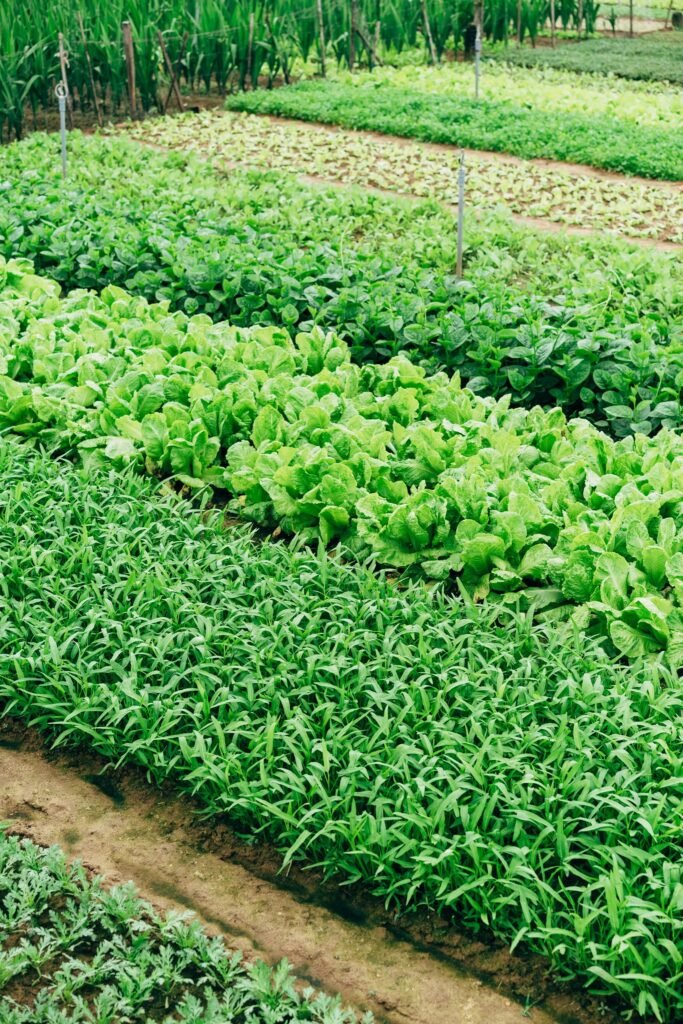
Vegetable growing is where seed quality shows up fastest — uneven germination in a tunnel or a field of mixed fruit size is money gone. We supply certified open-pollinated and F1 hybrid vegetable seed, in farm packs for commercial growers and smaller packs for kitchen gardens and nurseries.
The commercial flower trade runs mostly on imported F1 hybrids brought in through FSC&RD-compliant channels, alongside government-maintained rootstock for the perennials growers propagate locally. We supply the bedding annuals nurseries sell through the season, plus the perennial planting stock landscape and cut-flower growers keep coming back for.
A quick reference for planning purchases. Exact dates shift with the district, the weather and the previous crop, so treat these as the usual window rather than a fixed rule.
| Crop | Season | Usual sowing window | Harvest |
|---|---|---|---|
| Wheat | Rabi | 1–20 November (late-sown into December) | April |
| Rice / basmati | Kharif | Nursery late May–June, transplant June–July | October–November |
| Cotton | Kharif | April–May, earlier in southern Punjab | September–November |
| Maize (spring) | Spring | Late January–February | June |
| Maize (autumn) | Kharif | July–mid August | November |
| Mung | Kharif | Late June–July | September |
| Gram / lentil | Rabi | October–November | March–April |
| Canola / raya | Rabi | September–October | March |
| Berseem / oats | Rabi fodder | October–November | Multiple cuts to April |
| Sorghum / millet | Summer fodder | March–July | Cut as needed |
Seed rates and sowing dates should always be confirmed against local agriculture extension advice for your district. Our field team can go through it with you crop by crop before you commit an acre.
Every variety in the Seed Division range goes through the same quality steps before it reaches a dealer's shelf.
Batches are tested for germination rate and varietal purity before release — not after complaints come back from the field.
We supply varieties cleared for general cultivation, with the variety name and lot on the bag so it can be traced.
Recommendations built around your soil type, water availability and sowing date, not a single all-purpose list.
Packed and timed to the sowing calendar, so stock is on the shelf in the weeks farmers are actually buying.
The same four-stage process that runs behind everything AgroZat sells.
We work directly with certified breeders, seed companies and registered growers rather than buying through intermediaries.
Every batch is tested for germination and purity against certification standards before it leaves the warehouse.
Seed moves through our dealer network, timed to reach farms ahead of the sowing window rather than during it.
Our team stays reachable for variety questions, seed treatment, sowing advice, or how the crop is coming up.
Certified seed does most of the work, but a few habits decide whether you see the difference in the field.
A fungicide or insecticide seed treatment protects the crop through the vulnerable first weeks and costs far less than a rescue spray later.
We can recommend the right product and dose for each crop.Take 100 seeds, keep them damp in a cloth, and count what sprouts. It takes a few days and tells you whether your seed rate needs adjusting.
Every AgroZat batch already carries a tested germination figure.Heat and moisture take germination down quietly. Keep bags off the floor, away from walls, and out of reach of stored-grain pests.
Buy for the season you are sowing, not two seasons ahead.A variety bred for early November sowing will not perform the same in late December. Late sowing needs a variety built for it — and a higher seed rate.
Tell us your sowing date and we will shortlist accordingly.Planting a share of non-Bt cotton keeps bollworm from building resistance against Bt varieties — it protects next year's crop as much as this one.
We supply refuge seed alongside Bt varieties.Sealed bags with a variety name and lot number can be traced. Loose seed from an open sack cannot, and there is no recourse if it fails.
Keep your invoice and the bag tag until harvest.Certified seed comes from a known, approved variety, is produced under a controlled multiplication chain, and is tested for germination and physical purity before sale. Ordinary or self-saved seed may be a mix of varieties, may carry seed-borne disease, and has no tested germination figure — which usually shows up as thin, uneven stands and a lower yield at harvest.
Wheat, rice and basmati, cotton (Bt and non-Bt), maize, fodder crops such as berseem, oats, sorghum and millet, pulses including mung, mash, gram and lentil, oilseeds such as canola, raya and sunflower, a full range of vegetable seed in both open-pollinated and F1 hybrid types, and commercial and perennial flower seed.
Both. We supply dealers and distributors in bulk across Punjab, and we also serve individual farms, progressive growers and nurseries directly. Tell us the acreage and we will quote accordingly.
Yes — that is what the field team is for. Give us your district, soil type, water availability, previous crop and intended sowing date, and we will shortlist the varieties that actually fit rather than handing you a catalogue.
It depends on the crop and the budget. Hybrids generally give higher and more uniform yield but cost more per acre and must be bought fresh every season, since saved hybrid seed does not come true. For maize, rice and many vegetables hybrids usually pay off; in other crops a good approved variety can be the better economic choice.
Two to four weeks before your sowing window is comfortable. Popular wheat and cotton varieties tighten up as the season starts, and early ordering also gives time to arrange seed treatment and delivery to your dealer point.
Yes. Our head office is on G.T. Road in Gujranwala with a trading office in DHA Lahore, and we distribute across Punjab through our dealer network. For quantities and freight outside the usual routes, contact us with the destination and we will confirm.
Tell us your crop, district and soil type — we will point you to the right variety, confirm availability and quote for your acreage.